
Local
Delhi tears down unsafe building next to collapse site
The MCD began demolishing an unsafe structure adjoining Delhi’s Satya Niketan building collapse site on September 9, as the Supreme Court prepares to hear a plea on nationwide building safety.

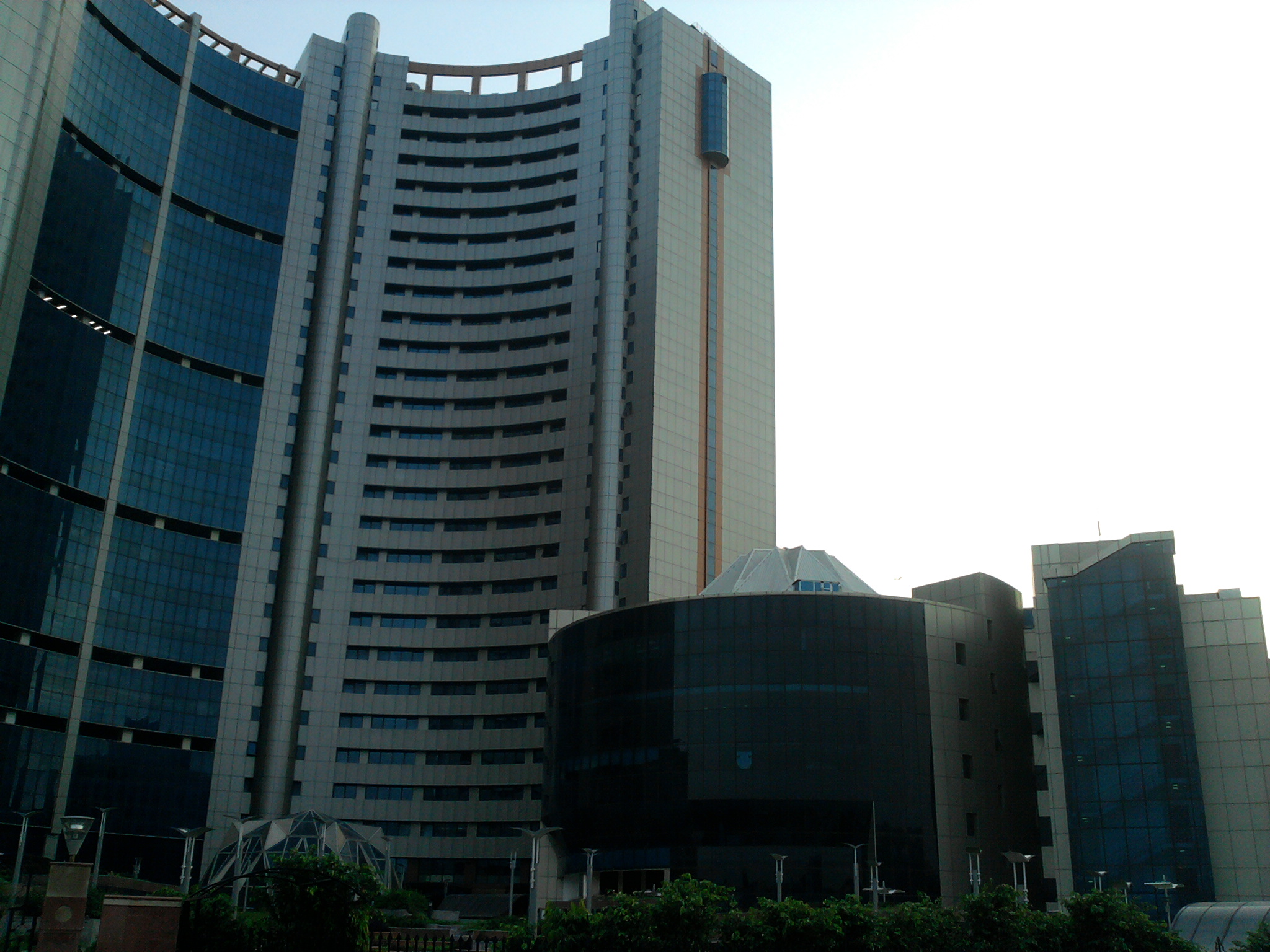
Delhi authorities tore down an unsafe building adjoining the Satya Niketan collapse site on Tuesday, part of the fallout from a collapse that killed seven people on September 6.
The MCD’s demolition order for the adjoining property, P-13 Satya Niketan, cited Section 348 read with Section 491 of the Delhi Municipal Corporation Act, 1957.
The owner of the collapsed building has been arrested, five MCD officials suspended, and a contractor also held.
The National Human Rights Commission issued notices to the Delhi government and the University Grants Commission on September 8 over the collapse.
The Supreme Court is scheduled to hear a plea on September 10 seeking a nationwide investigation into unsafe buildings, including a time-bound safety audit of hostels and PG accommodations near Delhi colleges.
Delhi Chief Minister Rekha Gupta had earlier ordered a case against the collapsed building’s owner and a magisterial inquiry into the circumstances of the collapse.
Satya Niketan is a densely packed neighbourhood near Delhi University’s South Campus, home to a large number of paying-guest accommodations and student hostels.
The Supreme Court’s scheduled hearing is expected to consider whether a nationwide investigation into unsafe buildings, particularly those used as student housing, is warranted.
Structural safety violations in PG and hostel buildings have been a recurring concern in Delhi, with authorities periodically ordering inspections after individual incidents rather than systematic citywide audits.
The five suspended MCD officials are expected to face a separate departmental inquiry into how the adjoining unsafe structure went unflagged prior to the collapse.
The Satya Niketan building collapse on September 6 killed seven people, with rescue operations by NDRF and Delhi Fire Services continuing through the following days.
The demolition order for the adjoining property, P-13 Satya Niketan, was issued on September 6 under Section 348 read with Section 491 of the Delhi Municipal Corporation Act, 1957.
MCD Civic Centre, New Delhi, Wikimedia Commons, CC BY-SA 3.0

Local
Why is Mumbai’s Gaiety-Galaxy cinema shut? Police, owner disagree
Mumbai’s historic Gaiety-Galaxy cinema in Bandra has been temporarily shut, with police citing a licence lapse and the owner citing burnt electrical cables.
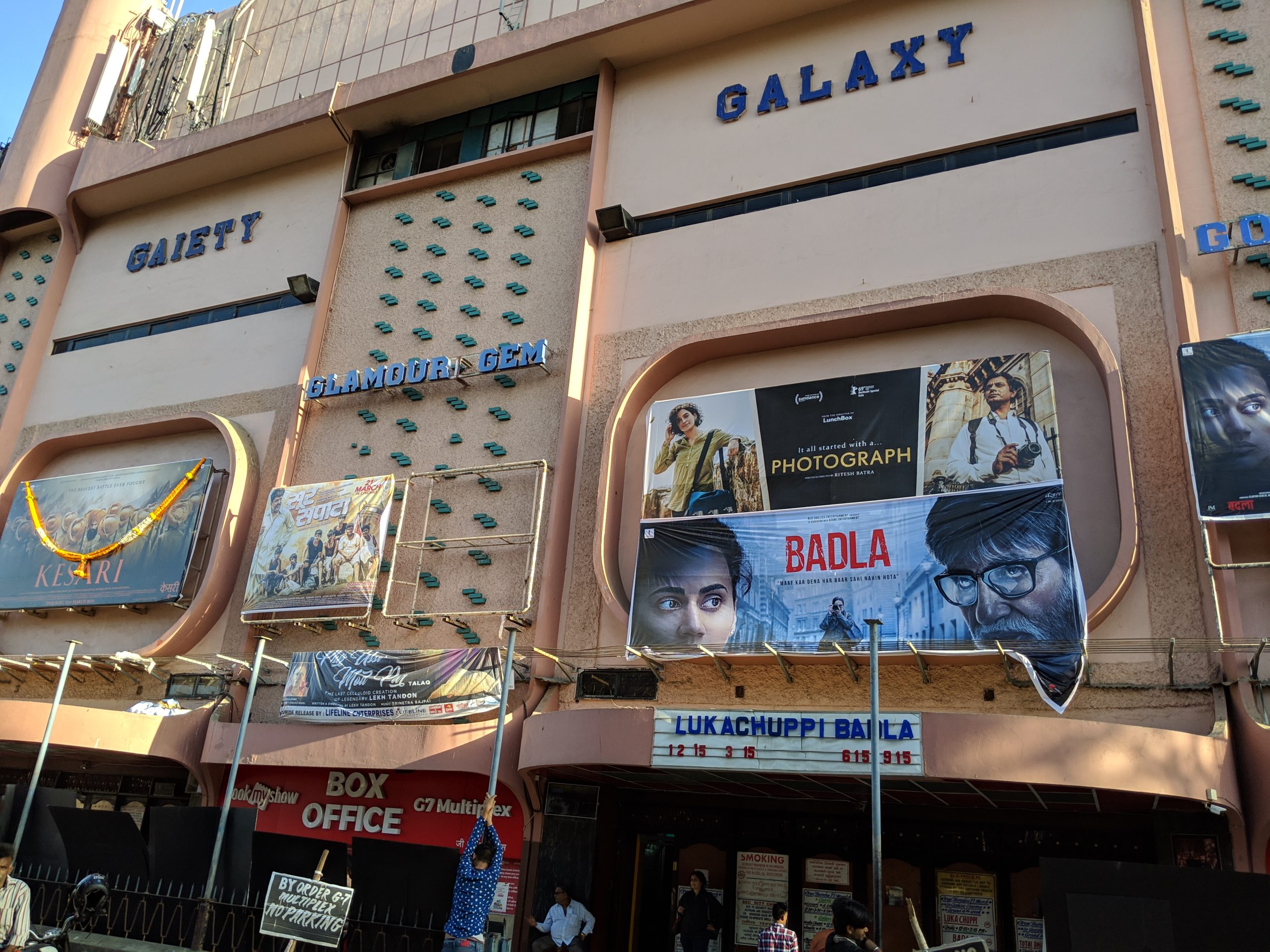
Mumbai’s Gaiety-Galaxy cinema in Bandra has closed temporarily, and police and the theatre’s management disagree on exactly why.
Bandra police say the closure follows non-renewal of the theatre’s operating licence, and have registered a case under Section 223 of the Bharatiya Nyaya Sanhita against the operators.
Theatre executive director Manoj Desai said the real reason was burnt electrical cables, which are being replaced with new cabling sourced from Lohar Chawl in South Mumbai.
The venue has run continuously in Bandra since 1972 and is one of the city’s oldest surviving single-screen theatres.
As of the latest update, no date has been set for the cinema to reopen.
The theatre’s closure comes at a time when several older single-screen cinemas across Mumbai have faced increasing pressure from licensing and fire-safety compliance requirements.
Gaiety Galaxy has historically hosted premieres and events for major Bollywood releases, making it a recognisable name well beyond Bandra itself.
Authorities have not specified a date for reopening, with the timeline dependent on completion of the electrical repairs and submission of renewed certification.
Mumbai’s municipal and police authorities routinely inspect entertainment venues for fire-safety and licensing compliance, particularly after incidents involving electrical faults at public venues.
The conflicting accounts from police and the theatre’s management — license non-renewal versus a technical electrical fault — have not yet been publicly reconciled by either side.
Gaiety Galaxy in Bandra has operated since 1972 and is one of Mumbai’s oldest surviving single-screen theatre complexes, a fixture of the city’s Bollywood-adjacent cinema culture.
Bandra police registered a case under Section 223 of the Bharatiya Nyaya Sanhita against the theatre’s operators after finding required certificates had not been renewed.
Executive director Manoj Desai told reporters the shutdown was due to burnt electrical cables inside the theatre, and that replacement cables were being sourced from Lohar Chawl in South Mumbai.
G7 Multiplex (Gaiety-Galaxy), Bandra, Mumbai, Wikimedia Commons, CC BY-SA 4.0
Local
NCRTC boosts Namo Bharat frequency for Raksha Bandhan with 47 extra trips
NCRTC operated 47 additional Namo Bharat trips on the Delhi-Meerut corridor on August 27 and 28, running trains every 8 minutes to handle Raksha Bandhan travel demand.
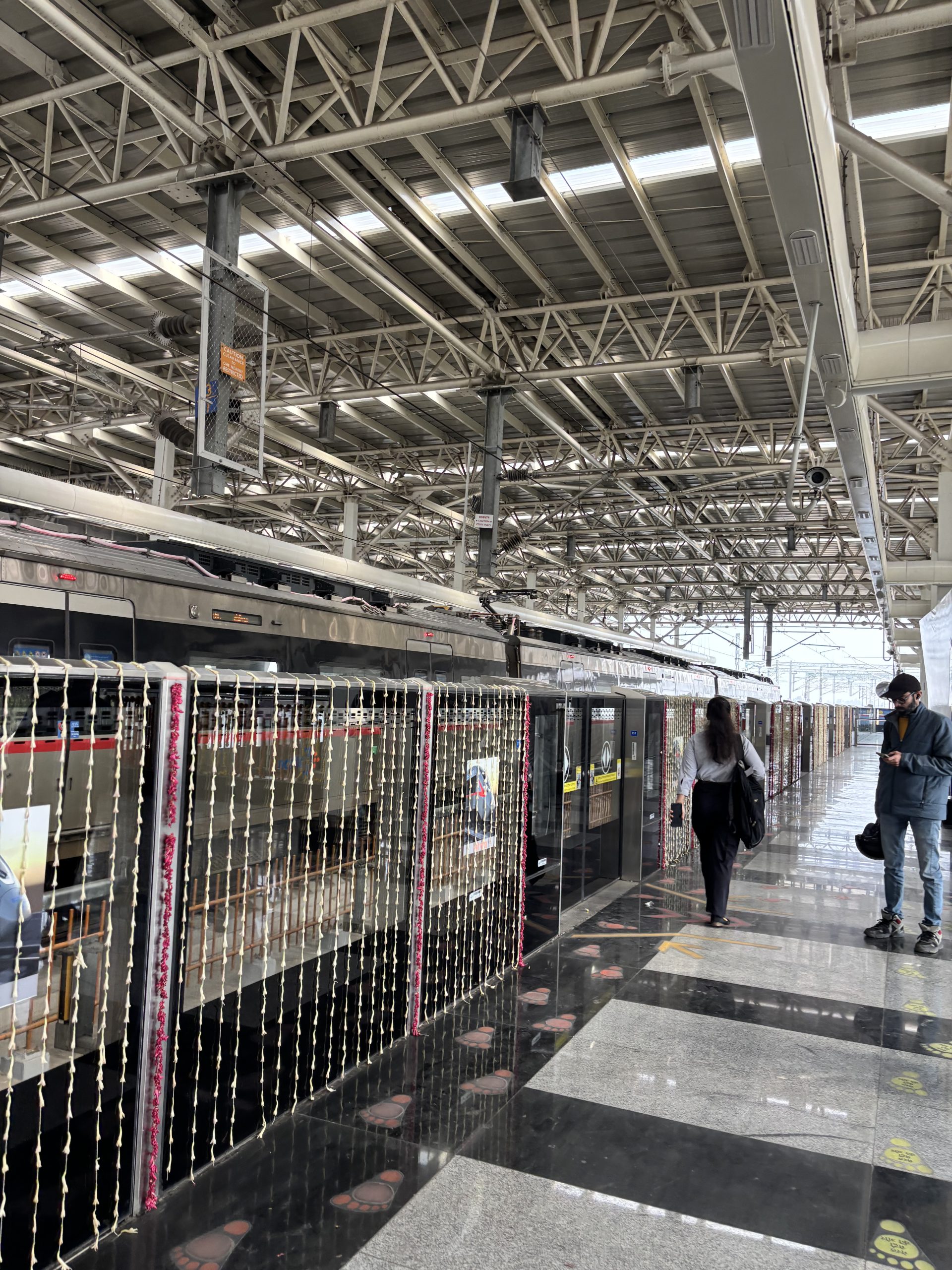
NCRTC boosted Namo Bharat frequency on the Delhi-Meerut corridor with 47 extra trips run over August 27 and 28 to manage Raksha Bandhan travel.
The additional trips brought train intervals down to eight minutes on both days, well above the corridor’s regular operating pace.
Services ran across the entire route between Sarai Kale Khan in Delhi and Modipuram in Meerut, expanding options for commuters throughout the corridor.
NCRTC said the frequency boost was designed to help women travelling to meet their brothers for the festival, as well as families travelling together.
The Delhi-Ghaziabad-Meerut RRTS corridor covers roughly 55 kilometres across eleven stations, offering a faster alternative to road travel on the route.
NCRTC has previously run similar special schedules during other major festivals, treating frequency increases as a routine tool for managing predictable demand surges.
The additional trips were particularly aimed at benefiting women travelling to meet their brothers for Raksha Bandhan, as well as families making the journey together.
Regular commuters on the corridor also benefited from the shorter wait times during the two-day window, even outside the specific festival-driven travel demand.
NCRTC publicised the revised timetable in advance through its official channels, giving passengers time to plan their festival travel around the enhanced schedule.
The Namo Bharat service has positioned itself as a faster, more predictable alternative to road travel on the often-congested Delhi-Meerut corridor, particularly during high-traffic festival periods.
The enhanced services covered the entire operational corridor between Sarai Kale Khan in Delhi and Modipuram in Meerut, giving commuters more frequent options across the full route.
NCRTC said the extra trips were aimed at accommodating the seasonal spike in passenger footfall as families travelled to be together for the festival.
The corridor has been steadily ramping up frequency since its launch, with NCRTC periodically adding services around major festivals and long weekends to manage demand spikes.
Photo of a Namo Bharat RRTS platform, Wikimedia Commons, CC BY-SA 4.0
Local
NHAI opens 9-km Delhi-Mumbai Expressway stretch from DND to Jaitpur for trial runs
NHAI has opened a 9-km stretch of the Delhi-Mumbai Expressway linking the DND Flyway to Jaitpur for trial runs, with nearly 8.5 km of the section elevated.
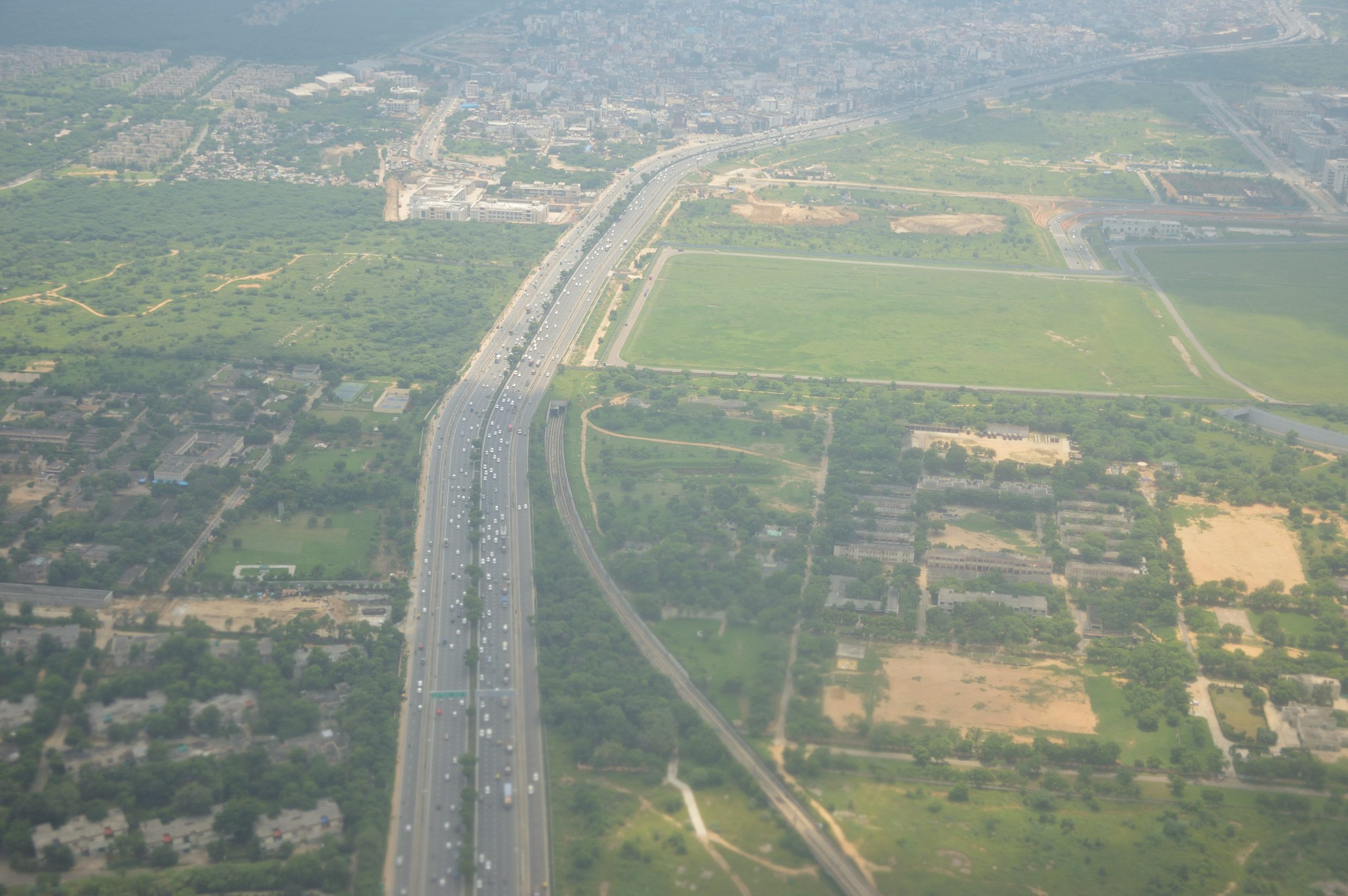
The National Highways Authority of India has opened a 9-km stretch of the Delhi-Mumbai Expressway linking the DND Flyway to Jaitpur for trial runs.
Nearly 8.5 km of the 9-km section is elevated, forming one of the final segments connecting central Delhi to the wider expressway network.
The newly opened stretch is expected to ease travel toward Faridabad and provide more direct, uninterrupted access toward Jaipur and Sawai Madhopur.
The Delhi-Mumbai Expressway is India’s longest expressway project, designed to significantly cut travel time between the two cities once fully operational.
Trial runs typically precede full public opening, allowing authorities to test traffic flow, signage and safety systems before regular commuter access begins.
The stretch’s opening adds to a series of phased rollouts of the expressway that have taken place over the past two years as different sections near completion.
The Delhi-Mumbai Expressway, once fully complete, is expected to reduce travel time between the two cities from roughly 24 hours to around 12 hours.
Sections of the expressway connecting Delhi to Jaipur and other stretches further south have already been opened to the public in earlier phases, with the DND-Jaitpur link filling one of the remaining gaps closer to the capital.
The expressway is being built as a greenfield access-controlled corridor, meaning it largely follows a new alignment rather than widening existing roads, which has allowed for higher design speeds along most of its length.
Once the full DND-to-Jaitpur link is opened to the public, commuters heading toward Faridabad and further south are expected to see reduced congestion at some of the more heavily trafficked junctions in the area.
The expressway passes through six states along its full length, making it one of the largest single infrastructure undertakings by the NHAI in recent years.
During a trial-run phase, motorists are typically expected to follow posted speed limits and signage carefully, since final safety features can still be undergoing fine-tuning on newly opened stretches.
Photo by Biswarup Ganguly, Wikimedia Commons, CC BY 3.0


Apple launch event tonight: iPhone 18 Pro, foldable iPhone in focus

IMD flags heavy rain risk in 16 states, warns of strong winds

Delhi tears down unsafe building next to collapse site

Redfox Overseas: Customize Your Own Energy Drink and Stand Out in the Market

Zamzam Company CEO Chhote Bhai-Bade Bhai gave a grand welcome to Indian writer Devhari Sirvi in Dubai

Shikha Sharma: The Fashion Journalist, Blogger, and Plus-Size Model Taking the Industry by Storm
-
 Brandpost2 years ago
Redfox Overseas: Customize Your Own Energy Drink and Stand Out in the Market
-
 Brandpost2 years ago
Zamzam Company CEO Chhote Bhai-Bade Bhai gave a grand welcome to Indian writer Devhari Sirvi in Dubai
-
 Fashion2 years ago
Shikha Sharma: The Fashion Journalist, Blogger, and Plus-Size Model Taking the Industry by Storm
-
Entertainment1 year ago
Lucky Roxx’s “Yadav Ki Pukar” Goes Viral! Youth Celebrate Unity & Power
-

 Entertainment9 years ago
New Season 8 Walking Dead trailer flashes forward in time
-
Entertainment9 years ago
Meet Superman’s grandfather in new trailer for Krypton
-

 Brandpost2 years ago
From Local Hero to National Icon: Satyam Yadav’s Journey with TwentyOne
-
Uncategorized2 years ago
Hello world!