
Brandpost
would you describe the current real estate market in Pune? Are we witnessing any specific trends that are shaping buyer preferences


Pune’s real estate market is currently experiencing significant growth, positioning itself as one of the most dynamic and promising markets in India. With its rapid urbanization and the increasing demand for modern infrastructure, Pune is steadily moving toward becoming a metro city. A major trend shaping the market is the growing preference for premium living among new-age buyers. This shift is largely driven by individuals from diverse industries, such as IT, education, manufacturing, and the corporate sector, who are looking for properties that offer a higher standard of living, modern amenities, and lifestyle convenience. Additionally, Pune offers one of the best rental yields in India, making it a lucrative option for investors. Whether for personal use or as an investment opportunity, the real estate market in Pune is thriving, and demand for both residential and commercial properties is on the rise.
In your opinion, which areas in Pune hold the most potential for property investment over the next 5 years?
Looking ahead, West Pune stands out as a prime location for property investment, particularly areas like Baner, Balewadi, and Hinjewadi. These regions have experienced tremendous development in recent years and are expected to continue growing at a fast pace over the next five years. Baner and Balewadi, in particular, are known for their well-planned infrastructure, proximity to the IT hubs, and excellent connectivity to other parts of Pune. Hinjewadi, home to the city’s largest IT park, is also a hot spot for investment. These areas are not only attracting professionals working in Pune’s IT sector but also new investors seeking long-term capital appreciation. With ongoing development projects, improved connectivity, and the introduction of commercial hubs, West Pune is likely to remain a highly promising area for property investments in the foreseeable future.
Given the demand for affordable housing, are there any noteworthy projects that investors should keep an eye on?
The demand for affordable housing in Pune is growing steadily as more individuals and families seek budget-friendly options without compromising on quality. Several developers in Pune have recognized this shift and are offering affordable housing projects that cater to a wide range of buyers. While I will provide a detailed list of specific projects, investors should keep an eye on upcoming developments in areas like Wagholi, Hadapsar, and Kharadi, which are becoming increasingly popular for affordable housing. These areas offer a balanced mix of affordability, good infrastructure, and proximity to major employment hubs, making them attractive options for both homebuyers and investors alike. The government’s push for affordable housing through initiatives like PMAY (Pradhan Mantri Awas Yojana) has also boosted investment in this segment, making it a key area to watch.
What are some common mistakes first-time property buyers make in Pune, and how can they avoid them?
One of the most common mistakes that first-time property buyers make in Pune is attempting to navigate the market without seeking expert guidance. Pune’s real estate market can be complex, with a variety of factors to consider such as location, budget, developer reputation, and future growth potential. Many buyers overlook the importance of working with experienced real estate professionals who can help with client profiling, market research, and property selection. By engaging with a property expert, buyers can ensure they make informed decisions, align their purchase with their long-term goals, and avoid costly mistakes. The good news is that consulting real estate experts usually comes at zero cost to the buyer, making it a valuable resource for those looking to make their first property investment.
Pune is known for its IT hubs and educational institutions. How have these sectors influenced the real estate market in recent years?
Pune’s status as a major hub for IT and education has had a profound impact on the real estate market. The city is home to some of the largest IT parks in India, including Hinjewadi IT Park and EON IT Park in Kharadi, which have attracted a steady influx of professionals from across the country. This, in turn, has increased the demand for residential properties, particularly in areas close to these hubs. Similarly, Pune’s numerous prestigious educational institutions, such as the University of Pune and Symbiosis International University, have contributed to the city’s appeal among students, educators, and professionals in the education sector. The presence of these sectors has led to the growth of surrounding neighborhoods, transforming them into thriving residential and commercial centers. The result is a real estate market that is continually expanding and evolving to meet the needs of its diverse and growing population.
Sustainability is becoming a key factor in real estate. How do you see developers in Pune responding to the growing demand for eco-friendly and sustainable projects?
As sustainability becomes an increasingly important concern for homebuyers and investors alike, developers in Pune are responding by incorporating eco-friendly features into their projects. This trend is driven by the growing awareness among buyers about the environmental impact of real estate development and the need for sustainable living practices. Many developers are now focusing on projects that prioritize energy efficiency, water conservation, and the use of eco-friendly materials. Green buildings with features like rainwater harvesting, solar panels, and waste management systems are becoming more common. At Craft Lander, we are committed to promoting and selling inventory that aligns with sustainable practices, ensuring that our investors can enjoy a quality living environment without compromising the natural ecosystem. As this demand for sustainability continues to grow, we expect to see even more innovation in green building techniques in Pune’s real estate landscape.
Looking ahead, what do you think the future holds for the luxury segment in Pune’s real estate market? Any upcoming projects that stand out to you?
The luxury segment in Pune’s real estate market is currently booming, and this growth shows no signs of slowing down. As Pune evolves into a major metropolitan city, the demand for high-end, luxury properties is increasing, driven by affluent buyers who seek exclusivity, superior amenities, and premium locations. Developers such as Lodha, VTP, Godrej, and Vilas Javdekar (VJ) are at the forefront of this trend, launching impressive luxury projects that cater to the discerning tastes of buyers. These developments often feature world-class amenities, cutting-edge architecture, and a focus on enhancing the overall lifestyle experience. In particular, areas like Koregaon Park, Kalyani Nagar, and Balewadi are emerging as prime locations for luxury residential and commercial properties. Investors looking to tap into the high-end market should keep an eye on upcoming projects in these areas, as they promise strong returns and exceptional living standards.
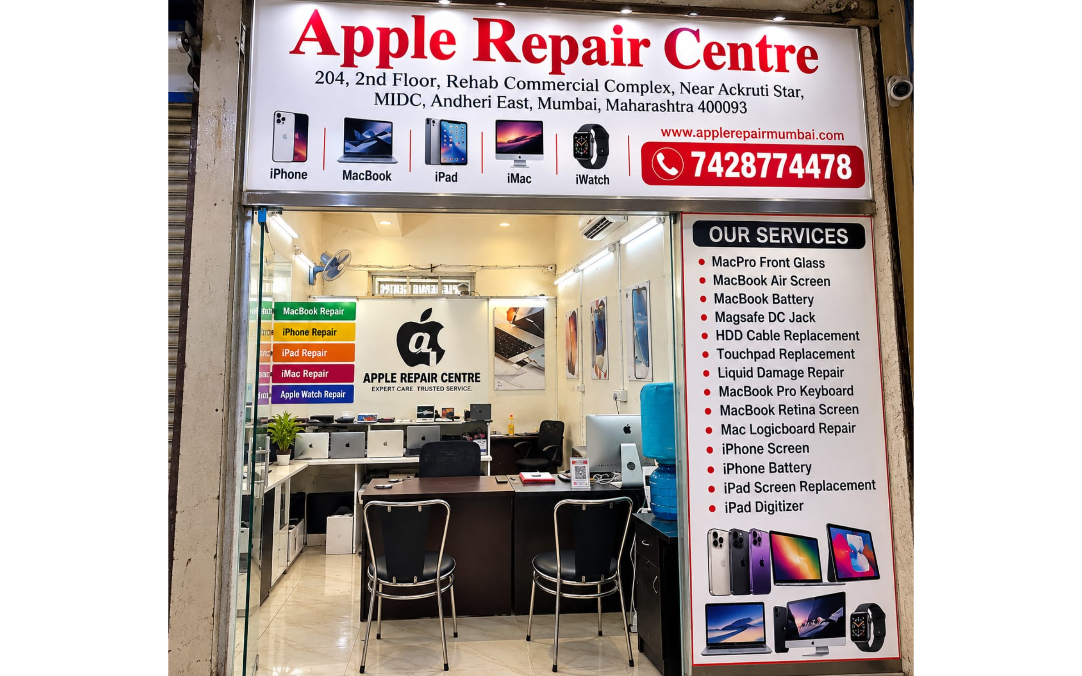
Apple Repair Centre, located in Andheri East, is offering a full range of professional repair solutions for iPhone and MacBook Pro devices, catering to the growing demand for reliable Apple device servicing across Mumbai.
As the use of Apple devices continues to rise across Mumbai, the demand for dependable, professional repair services has grown alongside it. Apple Repair Centre, based in Andheri East, has positioned itself as a go-to destination for residents and professionals seeking timely and skilled servicing for their iPhones and MacBook Pro laptops.
Located at 204, 2nd Floor, Rehab Commercial Complex, near Ackruti Star, M.I.D.C, Andheri East, the centre has built its reputation on offering a wide range of repair solutions under one roof, reducing the need for customers to search multiple service providers for different Apple products.
A Wide Range of Repair Services
Apple Repair Centre offers MacBook Pro repair in Mumbai, covering everything from routine troubleshooting to more complex hardware issues. Among its specialised offerings are MacBook Pro display replacement and MacBook Pro logic board repair, two of the more technically demanding services that require experienced hands and the right diagnostic approach.
Alongside laptop servicing, the centre also provides iPhone repair in Mumbai, addressing common issues such as screen damage, battery concerns and other hardware or software faults that iPhone users frequently encounter. By combining both iPhone and MacBook Pro services at a single location, the centre aims to offer convenience alongside technical expertise.
Positioned to Serve Andheri East and Beyond
Being situated in Andheri East, a well-connected commercial and residential hub, the centre is accessible to customers from across the western and central suburbs of Mumbai. Its presence as an Apple service centre in Andheri East adds to the growing number of specialised repair options available to residents in the area.
The centre’s location near Ackruti Star and within the M.I.D.C. commercial belt places it within easy reach for working professionals who may need to drop off or collect their devices around their office hours, as well as for residents living nearby.
Getting in Touch
Customers looking to get their Apple devices serviced can reach Apple Repair Centre directly by phone at 7428774478 or 8655120666. More information about the range of services offered is also available on the centre’s official website and social media page.
Find Apple Repair Centre
Address: 204, 2nd Floor, Rehab Commercial Complex, near Ackruti Star, M.I.D.C, Andheri East, Mumbai, Maharashtra 400093
Phone: 7428774478, 8655120666
Website: applerepairmumbai.com
Google Maps: View location
Instagram: @iproapplerepaircentreandheri
Brandpost
Until Every Hungry Soul Is Fed, Veeir Chaudary Cannot Sleep Peacefully — The Actor-Producer Feeding Over 100 Animals Every Day


For some people, success is measured by fame, money and recognition. For actor and producer Veeir Chaudary, true success seems to be measured by how many lives he can make a little better.
Veeir Chaudary has been associated with the film industry since 2005. After nearly 21 years in the industry, he has experienced the highs and lows of a demanding career—success, struggle, opportunities, setbacks and countless challenges. Yet, alongside his professional journey, he has quietly developed another mission close to his heart: serving people and animals in need.
Every day, Veeir feeds more than 100 animals, including dogs, cows and birds. For him, feeding these voiceless beings is not simply charity or social work. It has become a responsibility he feels deeply from within.
He says that when he sees a hungry animal, it becomes difficult for him to simply walk away. Even at night, the thought can stay with him.
“If they are hungry, how can I sleep peacefully?” is the emotion behind his commitment.
For Veeir, animals are not merely creatures living around us. Whenever he sees dogs or cows outside his home, he says he sees God in them. He believes that serving a living being is also a way of expressing gratitude to the Almighty.
His compassion does not stop with animals.
Every weekend, Veeir visits an old-age home and takes food and essential provisions for the residents. His visits are driven by a belief that elderly parents deserve dignity, affection and companionship, especially during the later years of their lives.
He feels deeply about children who leave their parents in old-age homes and believes society must seriously reflect on the emotional responsibility children have towards their parents. The same parents who spend decades raising, protecting and supporting their children deserve care and respect when they grow old.
For Veeir, this is not about judging an entire generation. It is about reminding people of the value of family, gratitude and responsibility.
Despite spending more than two decades in the film industry, Veeir considers himself fortunate rather than simply successful. He believes the Almighty has blessed him with the ability and resources to do something for both human beings and animals.
He remains grateful for that opportunity.
There is a quiet spirituality behind his actions. He believes that perhaps God has sent certain people and animals into his path because they need his help.
After 21 years of experiencing the unpredictable journey of the entertainment industry, Veeir Chaudary appears to have discovered a different kind of happiness—one that does not come from applause or cameras.
It comes from watching a hungry animal eat.
It comes from seeing an elderly person smile.
And perhaps, for Veeir, that is what makes life truly meaningful.
Brandpost
Mayank Jain and Shell Entertainment Expand Strategic Social Media & PR Support for Public-Facing Leaders
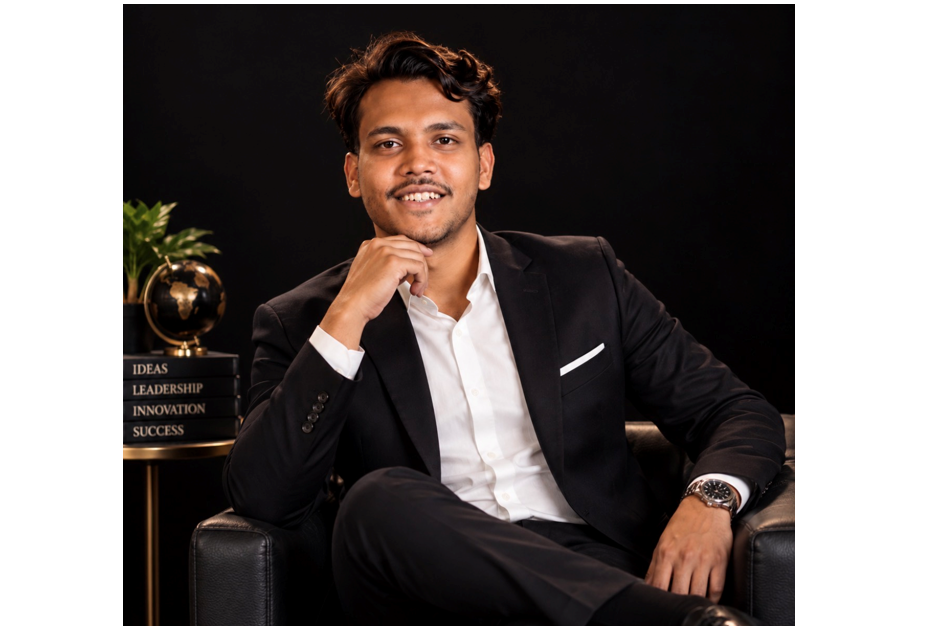
The agency is building an integrated approach to digital presence, personal branding, media outreach and reputation management
In an increasingly digital-first business environment, public visibility has become closely connected with professional credibility. Shell Entertainment, led by Managing Director and Co-Founder Mayank Jain, is positioning its social media and public relations services around this changing communication landscape. The agency works with businessmen, entrepreneurs, public figures and political leaders to develop structured digital communication and media strategies.
At the centre of Shell Entertainment’s approach is the understanding that a public profile requires more than regular social media activity. According to the company’s positioning, clients often need a consistent narrative across platforms, relevant content, media outreach and ongoing reputation management. Mayank Jain’s role has focused on bringing these elements together through an agency model designed around individual communication requirements rather than generic campaigns.
Building Structured Digital Presence
Shell Entertainment provides social media management covering content planning, publishing, audience engagement and platform-specific communication across channels including Instagram, Facebook, X, LinkedIn and YouTube. The objective is to maintain a consistent digital identity while allowing communication to reflect the client’s professional profile and public positioning.
The agency also works in personal branding for entrepreneurs and business leaders, with services that include thought-leadership content, LinkedIn-focused positioning and strategic digital communication. For professionals seeking greater visibility in their respective industries, this approach places emphasis on communicating expertise, experience and professional milestones in a clear format.
PR and Reputation Management
Another part of the agency’s service portfolio is public relations and media outreach. This includes press communication, media placements, interview coordination and reputation-focused communication. The broader objective is to help clients present information about their work through organised and credible communication channels.
For public-facing individuals, reputation management has also become an important part of digital strategy. Shell Entertainment’s stated approach combines monitoring, content planning and communication support to help clients respond to changing online narratives while maintaining consistency across their public profiles.
Mayank Jain’s Expanding Vision
Mayank Jain’s work at Shell Entertainment reflects a broader shift in how entrepreneurs, business leaders and other public-facing professionals approach personal visibility. Instead of treating social media and PR as separate activities, the agency brings content, branding, media relations and reputation support into a connected communication framework.
As digital platforms continue to influence how professional identities are discovered and discussed, Shell Entertainment is developing its services around the intersection of social media, PR and personal branding. With Mayank Jain at the helm, the agency’s stated focus remains on creating tailored communication strategies that help clients present their work, achievements and professional stories with greater consistency.
For businesses and public-facing professionals exploring structured digital communication and PR support, Shell Entertainment represents an agency-led approach that combines creative content with strategic media execution. The company’s service information is available at shellentertainment.online.
Website: shellentertainment.online


Apple Service Centre in Mumbai Expands Professional Repair Services in Andheri East

How to Verify Whether Agarwal Packers and Movers Is Genuine?

Asian Games weightlifting: Full results from the women’s 49kg final

Redfox Overseas: Customize Your Own Energy Drink and Stand Out in the Market

Zamzam Company CEO Chhote Bhai-Bade Bhai gave a grand welcome to Indian writer Devhari Sirvi in Dubai

Shikha Sharma: The Fashion Journalist, Blogger, and Plus-Size Model Taking the Industry by Storm
-
 Brandpost2 years ago
Redfox Overseas: Customize Your Own Energy Drink and Stand Out in the Market
-
 Brandpost2 years ago
Zamzam Company CEO Chhote Bhai-Bade Bhai gave a grand welcome to Indian writer Devhari Sirvi in Dubai
-
 Fashion2 years ago
Shikha Sharma: The Fashion Journalist, Blogger, and Plus-Size Model Taking the Industry by Storm
-
Entertainment1 year ago
Lucky Roxx’s “Yadav Ki Pukar” Goes Viral! Youth Celebrate Unity & Power
-

 Entertainment9 years ago
New Season 8 Walking Dead trailer flashes forward in time
-
Entertainment9 years ago
Meet Superman’s grandfather in new trailer for Krypton
-
Uncategorized2 years ago
Hello world!
-

 Brandpost2 years ago
From Local Hero to National Icon: Satyam Yadav’s Journey with TwentyOne